
From Suspicion to Proof
The Hound of the BaskervillesThis conflict thread follows Holmes’s insistence that a convincing theory is not enough until the hidden mechanism and murderer can be demonstrated.
increasing Bearing strength in each event
 decreasing
Bearing strength in each eventdecreasingCompeting Explanations
Competing Explanations
Natural and supernatural claims
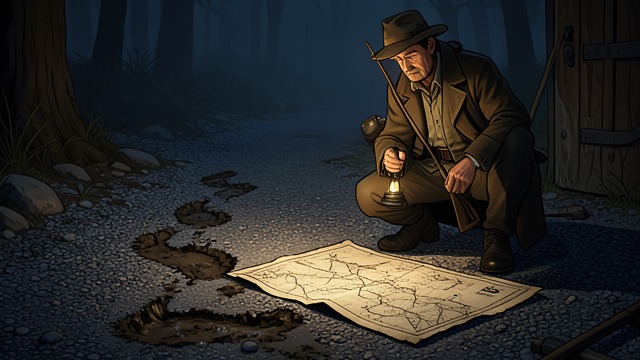
Mortimer brings evidence of footprints and local reports of a spectral hound.
Holmes holds the line
Holmes treats material clues as investigable and refuses to abandon ordinary causes.
The case begins as a contest between belief and method.
The Case Without Tracks
The Case Without Tracks
A vanished crime scene
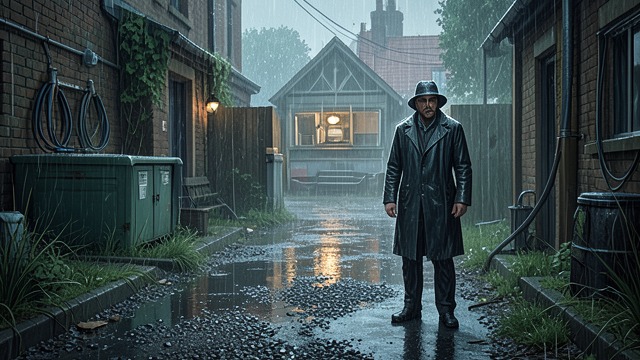
Rain and time have erased the gravel evidence Holmes wishes he could inspect.
Suspicion outruns proof
Charles’s death appears deliberate, but no clear physical sign connects a human suspect to it.
The investigator’s certainty remains legally fragile.
Selden’s Death Adds Little
Selden’s Death Adds Little
A mistaken victim
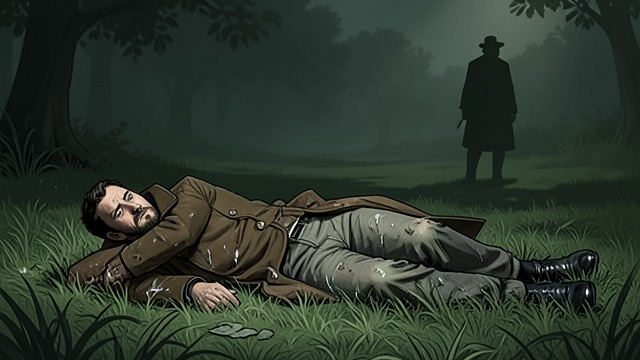
The hound kills Selden in Henry’s clothes, confirming that a scent-tracking animal is involved.
A gap remains
Holmes still lacks direct proof that Stapleton owns or controls the dog.
A shocking event does not automatically make a prosecutable case.
A Trap Designed for Witnesses

A Trap Designed for Witnesses
Evidence sought
Holmes insists that knowledge must be converted into facts a jury can assess.
An exposed target
He arranges for Henry to leave Merripit alone while Lestrade and Watson wait nearby.
The plan risks Henry to make the crime observable.
The Hound in the Light
The Hound in the Light
Physical proof
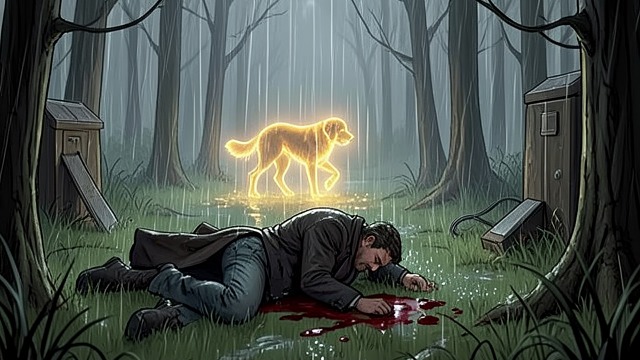
The hound attacks Henry in sight of Holmes, Watson, and Lestrade; their shots kill it.
The supernatural dissolves
Phosphorus explains its glowing appearance, while its body proves it was mortal.
The trap yields the evidence that rumor could not provide.
During the first Baker Street consultation
After Watson and Holmes review Charles’s death
After Holmes appears on Dartmoor
The day Holmes returns to Merripit
The climax in the fog
